Warsaw Uprising Anniversary: What International Students Should Know and Do in Warsaw
Learn what the Warsaw Uprising anniversary means, why the city stops at 5 PM, and what students can do to understand this key moment in Warsaw's history. Every year on August 1 at 5:00 PM, Warsaw stops for one minute to commemorate the Warsaw Uprising of 1944. Sirens sound, traffic pauses, and people stand still in silence. For international students, this is one of the most powerful moments to witness - and one of the best ways to understand the city you now call home.
This is not a drill or an emergency. It is Warsaw's annual moment of remembrance - and it is one of the most important dates in the city's identity.
Moving to a new city means more than finding a room and learning the tram routes. It means understanding the place itself. At Pepe Housing, we help international students feel more prepared before they arrive - and that includes the cultural moments that shape daily life in Warsaw.
What happens in Warsaw on August 1?
Date: August 1Time: 5:00 PM
Name: W Hour / Godzina "W"Meaning: The exact moment the Warsaw Uprising began in 1944
What to do: Stop, stay quiet, observe respectfully
On August 1, 1944, soldiers of the Polish underground Home Army rose against German occupation with one goal: to liberate Warsaw before the Soviet army arrived. The fighting lasted 63 days. It ended in devastating defeat - and in the systematic destruction of much of the city by German forces.
The Warsaw Uprising was not just a military event. For Warsaw, it became a symbol of resistance, loss, and survival. The modern city you walk through today was rebuilt almost entirely from ruins. That context changes how you see the streets, the monuments, and the people around you on August 1.
Visit the Warsaw Rising Museum
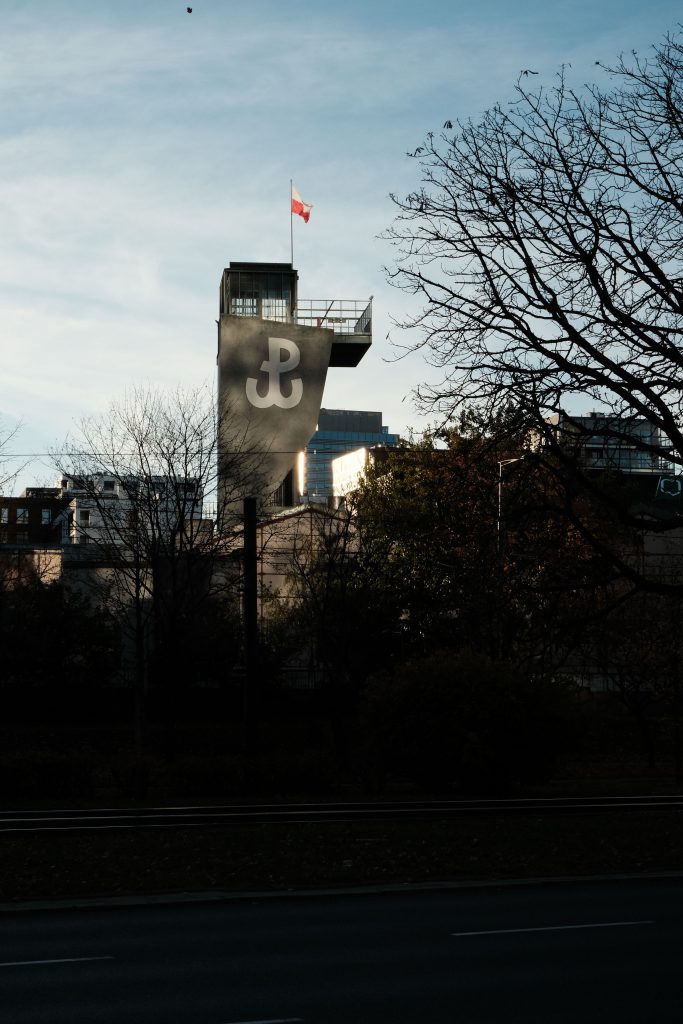
If you visit one historical museum in Warsaw, make it the Warsaw Rising Museum. It does not teach history through dry dates and timelines - it brings the uprising to life through personal stories, photographs, sounds, and everyday objects from occupied Warsaw.
Audio guides are available in English and several other languages, making it fully accessible for international students.
Practical info:
Address: Grzybowska 79
Tickets: 35 PLN standard / 30 PLN discounted
Free admission: Thursdays
Tip: Book early during anniversary week - it gets busy
Student tip: Take the English audio guide. The museum is detailed and emotional, and following a guided path makes the experience much easier to absorb.
Things to do around the anniversary
Stop for W Hour at 5:00 PM - Stand outside near the city centre, Krakowskie Przedmieście, or the Warsaw Rising Museum itself for a meaningful experience.
Attend public anniversary events - In 2026, the official program runs from July 25 to August 5 and includes concerts, outdoor exhibitions, educational events, the March of Remembrance, and an evening of "Warsaw residents sing (un)forbidden songs" on Piłsudski Square on August 1.
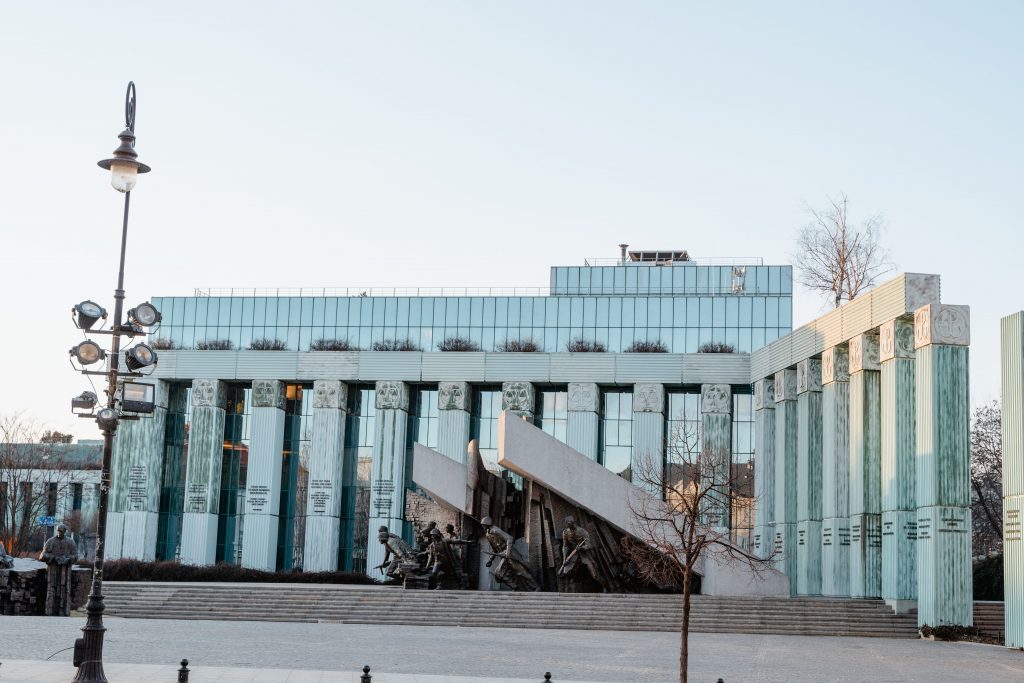
Visit memorial sites - The Warsaw Uprising Monument at Krasiński Square, the Tomb of the Unknown Soldier, and memorial plaques throughout the Old Town are all worth visiting.
Join a guided walk - Neighborhoods like Wola, Śródmieście, and Powiśle connect modern Warsaw directly to wartime history.
Two uprisings - know the difference
Warsaw Uprising (1944): Polish underground Home Army, city-wide armed resistance against German occupation. Warsaw Ghetto Uprising (1943): Jewish resistance inside the Warsaw Ghetto against Nazi Germany - described by POLIN Museum as the largest armed resistance by Jews during World War II.
Both events are deeply important to Warsaw's history. They are not the same event. Understanding the difference helps you engage with Warsaw's past more carefully and respectfully.
Don't just visit Warsaw - understand it
Warsaw is a modern, energetic city full of student life. It is also a city that carries its history visibly - in monuments, plaques, museums, and moments like August 1. International students do not need to know every detail. Showing up, stopping for one minute, and treating the day with respect is already meaningful. Warsaw Uprising Anniversary Warsaw Uprising Anniversary Warsaw Uprising Anniversary
Moving to Warsaw for Erasmus? Find verified student rooms on Pepe Housing and start your semester with a place to stay - and a better understanding of the city you are about to call home.
What happens in Warsaw on August 1? Every year on August 1 at 5:00 PM, Warsaw stops for one minute to commemorate the outbreak of the Warsaw Uprising. Sirens sound across the city, traffic pauses, and people stand still to pay respect.
What is W Hour in Warsaw? W Hour, or "Godzina W," marks the exact time when the Warsaw Uprising began on August 1, 1944. It is commemorated every year at 5:00 PM with sirens and a city-wide moment of silence.
Should international students stop during the sirens? Yes. If you are outside, the respectful thing to do is stop for one minute, stay quiet, and follow what the people around you are doing. Warsaw Uprising Anniversary
Is the Warsaw Rising Museum worth visiting for students? Yes. The Warsaw Rising Museum is one of the most accessible and powerful historical museums in Warsaw, with English audio guides and a strong focus on personal stories rather than military timelines.
Is the Warsaw Uprising the same as the Warsaw Ghetto Uprising? No. The Warsaw Ghetto Uprising took place in 1943 and was an act of Jewish resistance in the Warsaw Ghetto. The Warsaw Uprising took place in 1944 and was led by the Polish underground Home Army. Both are historically significant but are separate events. Warsaw Uprising Anniversary
Where is the Warsaw Rising Museum located? The Warsaw Rising Museum is at Grzybowska 79 in Warsaw. Thursday admission is free, and discounted tickets are available for students. Warsaw Uprising Anniversary
Rent an apartment in Poland
Warszawa
Gdansk
Wroclaw
Lodz
Poznan
Krakow
Bialystok
Katowice
Rzeszow
Search
About the author
Book lover, travel enthusiast, and a fan of all things calm and peaceful. I enjoy helping Erasmus students find their perfect place to stay and feel at home in a new city. Sharing tips, stories, and advice to make your student life easier and more enjoyable!