Discover what to expect during Easter in Poland. Learn about traditional food, unique customs like Wet Monday, and tips for international students.
Studying abroad brings countless opportunities to experience new cultures firsthand. If you are an international student spending the spring semester in Poland, you are in for a very special cultural treat. Easter is one of the most significant holidays on the Polish calendar, bringing cities to a halt and filling homes with rich traditions.
For foreigners, navigating these local customs can seem a bit confusing at first. But don't worry! This guide will help you understand exactly what happens during a Polish Easter so you can fully enjoy the experience.
Quick Answer: Easter in Poland Easter in Poland is a traditional holiday focused on family gatherings, unique cultural customs, and delicious food. You will see locals blessing food baskets on Saturday, sharing a family breakfast on Sunday, and participating in “Śmigus-Dyngus” (water fights) on Monday. For international students, it is a fantastic opportunity to try traditional dishes and experience authentic Polish culture.
Why Easter in Poland Is Special
In Poland, Easter is arguably just as important as Christmas. It carries a strong connection to tradition, religion, and family ties. The atmosphere shifts dramatically during this weekend. The days leading up to Easter Sunday are often quiet and reflective, while Monday bursts with playful energy. Experiencing this contrast is a highly rewarding cultural experience for any Erasmus student looking to adapt to their new home.
Key Easter Traditions in Poland
Polish Easter is packed with customs you might not see anywhere else. Here are the main events you should look out for.
Święconka (Blessing of the Basket)
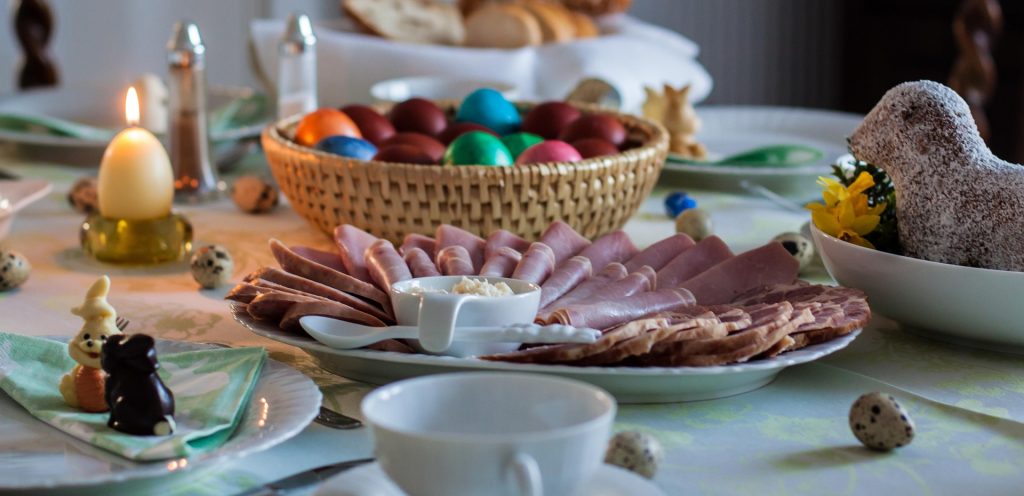
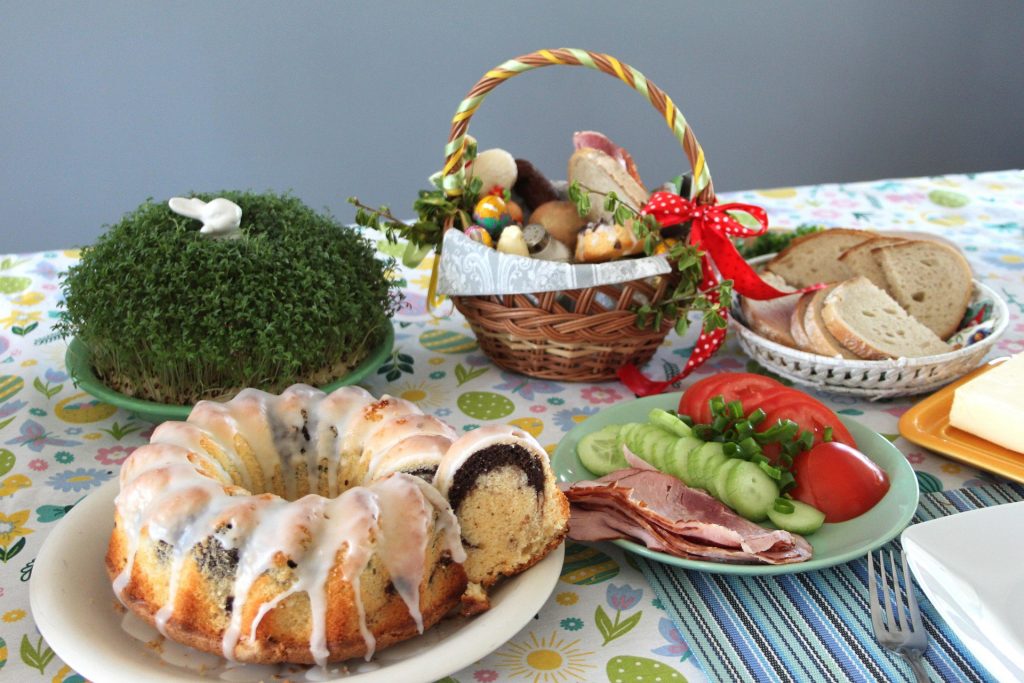
If you walk around any Polish city on Holy Saturday, you will notice people carrying beautifully decorated wicker baskets. Inside, they pack symbolic foods like bread, salt, sausage, and painted eggs. Locals take these baskets to the church to be blessed by a priest. It is a beautiful community event that you can easily observe by visiting a local parish.
Easter Sunday
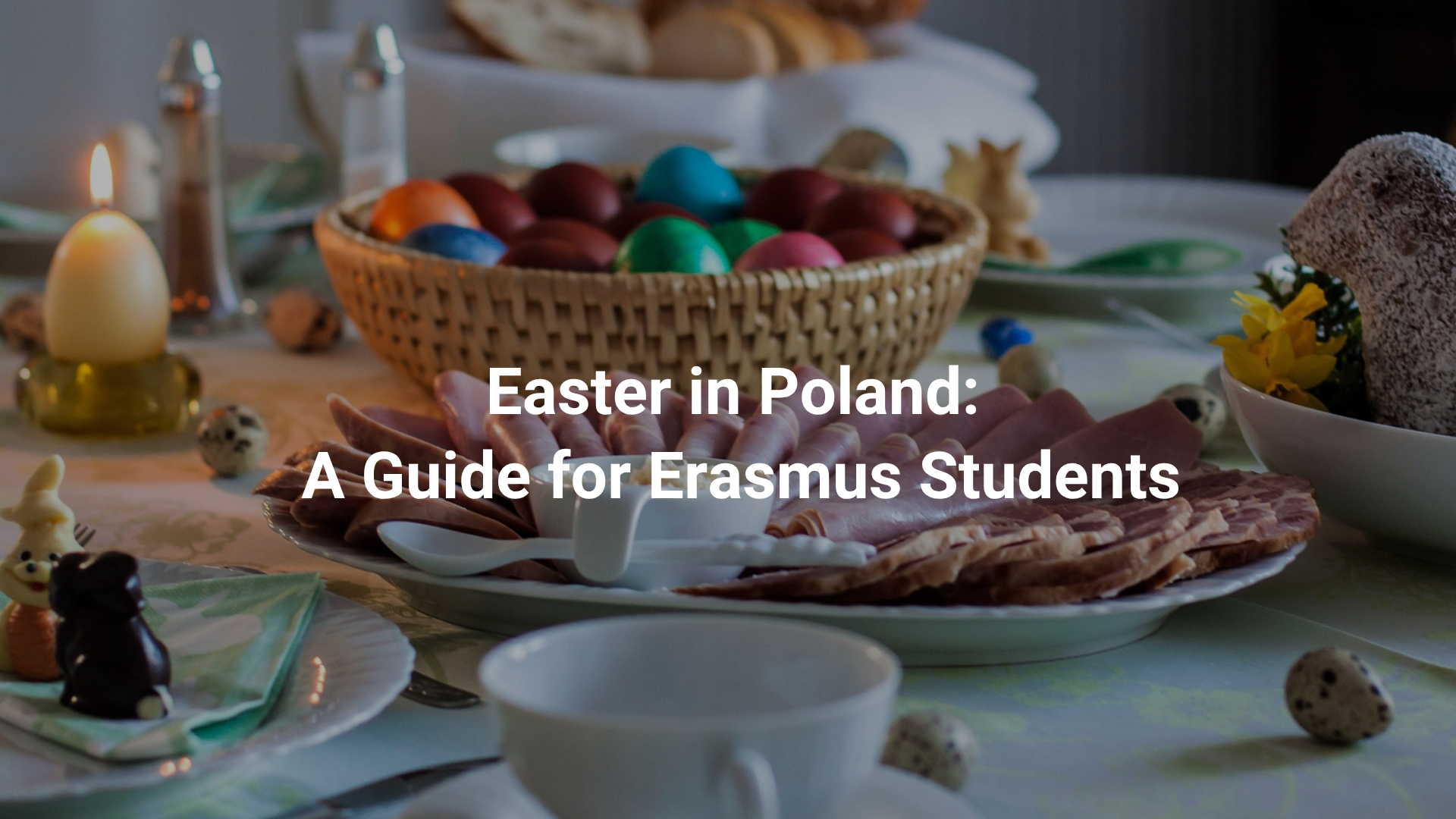
Sunday is the most important day of the holiday. Polish families gather in the morning for a festive breakfast, which often lasts for several hours.
Śmigus-Dyngus (Wet Monday)
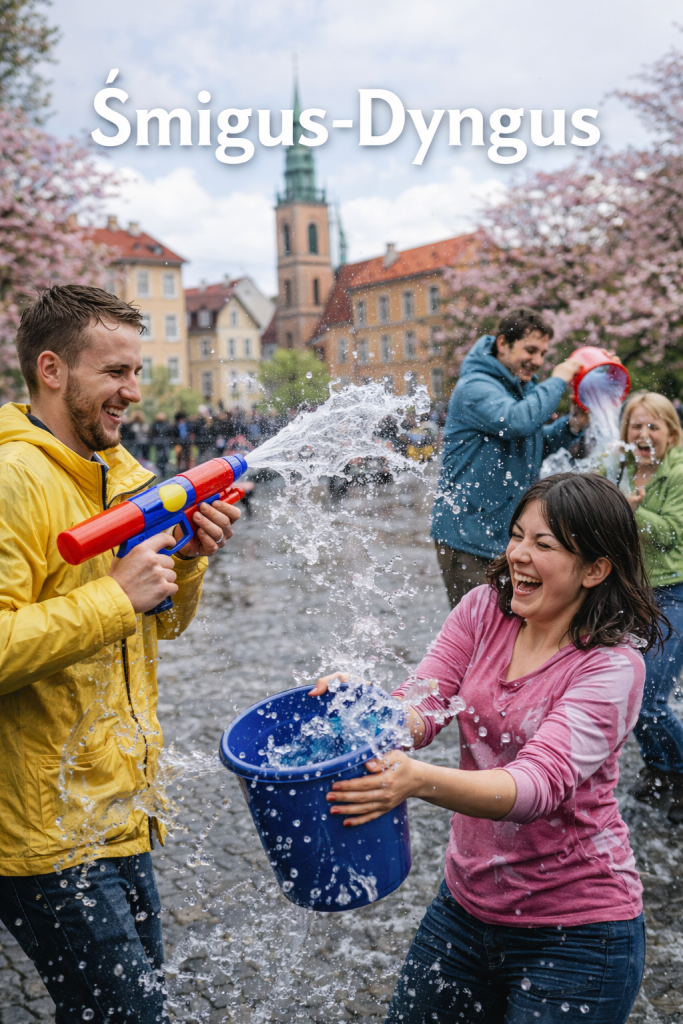
Known as "Wet Monday," this day features a nationwide tradition of playfully throwing water on people. Friends, family members, and sometimes complete strangers will ambush each other with water guns, buckets, and water balloons. It is a highly social and fun tradition, though it can certainly surprise an unprepared foreigner!
What Erasmus Students Should Eat
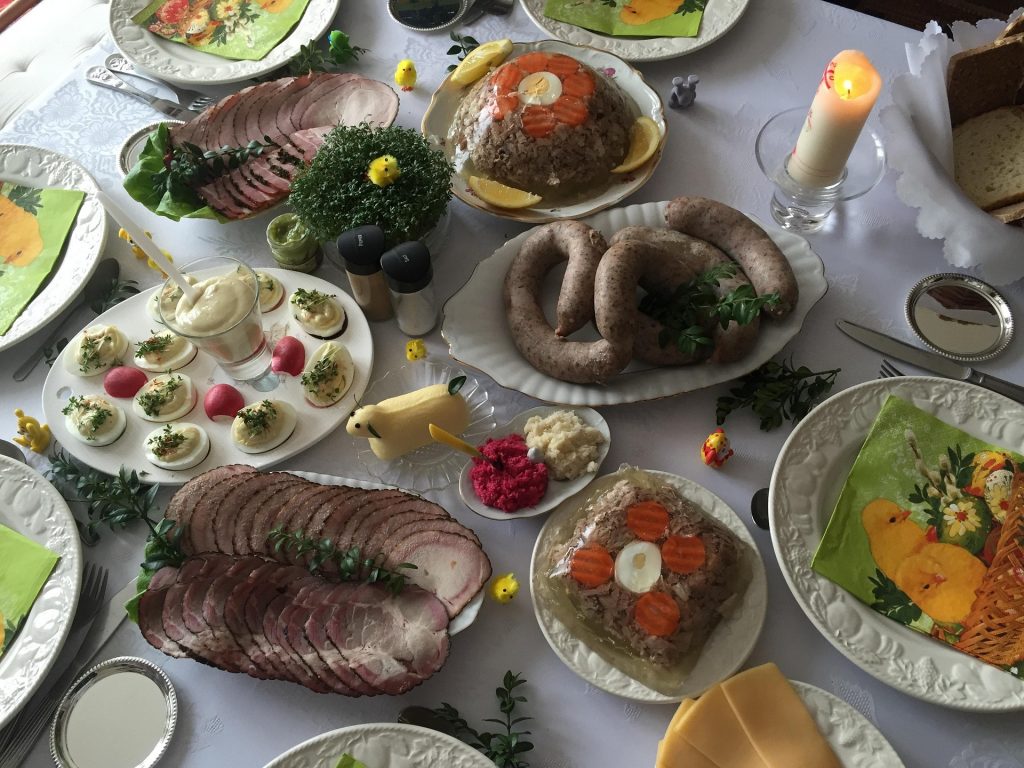
You cannot experience a Polish holiday without trying the local cuisine. Look out for these traditional staples during the Easter weekend.
Jajka (Eggs)
Eggs are the ultimate symbol of life and the centerpiece of the Polish Easter table. You will find them hard-boiled, stuffed, or served with mayonnaise.
Żurek
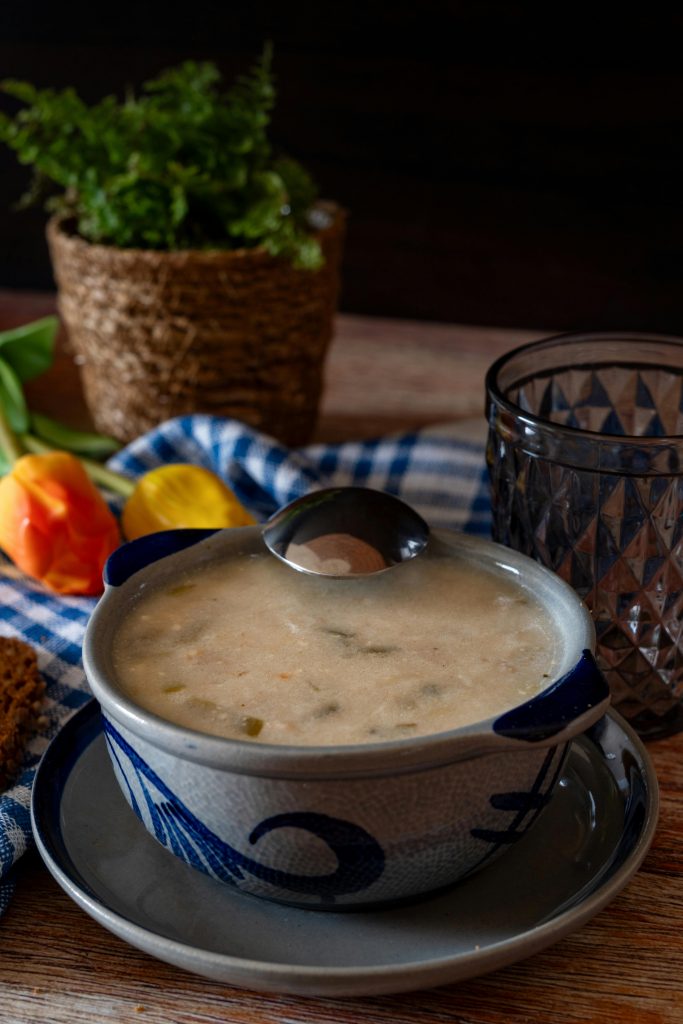
This is a traditional sour rye soup, typically served with a halved hard-boiled egg and slices of white sausage. It has a very unique, tangy flavor that provides a true taste of Polish culinary history.
Biała Kiełbasa (White Sausage)
Unlike the smoked sausages you might be used to, this raw, unsmoked pork sausage is boiled and often baked with onions or served inside your bowl of Żurek.
Sałatka Jarzynowa
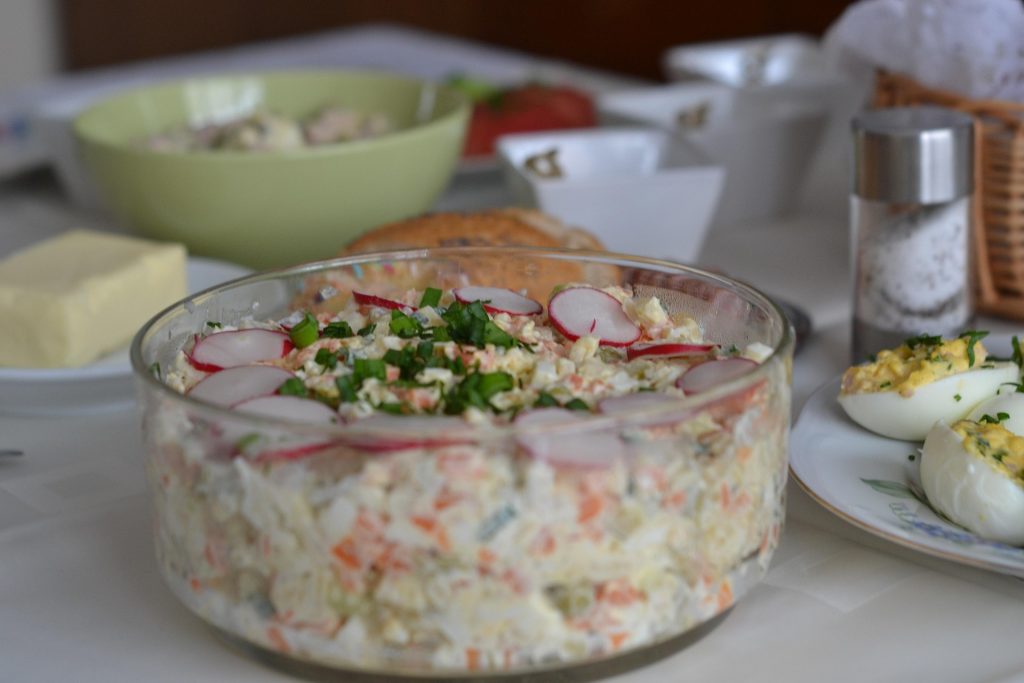
This beloved vegetable salad is made of boiled root vegetables, peas, pickles, and hard-boiled eggs, all mixed heavily with mayonnaise. Every Polish family claims their recipe is the best!
Mazurek
Make sure you leave room for dessert. Mazurek is a flat, sweet Easter cake topped with a thick layer of caramel, chocolate, or jam, and decorated with nuts and dried fruits.
What to Expect as an International Student
During the Easter weekend, your typical routine will need to change. Most shops, supermarkets, and shopping malls close completely on Easter Sunday and Easter Monday. The city atmosphere becomes very quiet, and public transport runs on a limited holiday schedule. While some tourist-friendly restaurants might stay open, many local spots will adjust their hours or close their doors entirely so staff can be with their families.
How You Can Experience the Holiday
You do not need a Polish family to enjoy the holiday. Gather a group of friends from your university and visit a local restaurant that serves a special Easter menu. If your city hosts a spring or Easter market in the main square, take a walk through the stalls to admire the local crafts and painted eggs. Simply observing the locals carrying their baskets on Saturday is a great way to feel connected to the culture
Practical Tips for Your Stay
To make your Easter weekend as smooth as possible, follow these practical tips:
Do your grocery shopping early: Buy all your food by Friday. Stores close early on Saturday and remain closed through Monday.
Plan your meals: Plan to cook with your roommates or international friends.
Check transport schedules: Look up holiday timetables.
Watch out for water: If you step outside on Monday, be prepared to get splashed!
Easter in Poland vs. Other Countries
Compared to many Western countries where Easter is highly commercialized with chocolate bunnies and egg hunts, Poland keeps things deeply traditional. The focus remains heavily on family, homemade food, and religious customs. The addition of unique activities like Wet Monday makes it an incredibly distinct experience.
Why It’s Worth Experiencing
Immersing yourself in local customs is one of the best parts of studying abroad. By participating in or simply observing Polish Easter traditions, you gain a deeper understanding of your host country. It breaks you out of the typical student bubble and gives you memorable stories to share with your friends back home.
Make the Most of Your Polish Spring
Easter provides an important cultural moment and a great chance to understand the heart of Poland. Embrace the quiet Sunday, enjoy the delicious food, and have fun dodging water balloons on Monday!
If you’re planning your stay in Poland, make sure you experience these local traditions with comfort and ease. Find your perfect, budget-friendly student accommodation with Pepe Housing today and make your Erasmus journey truly unforgettable.
Rent an apartment in Poland
Warszawa
Gdansk
Wroclaw
Lodz
Poznan
Krakow
Bialystok
Katowice
Rzeszow
Search
About the author
Book lover, travel enthusiast, and a fan of all things calm and peaceful. I enjoy helping Erasmus students find their perfect place to stay and feel at home in a new city. Sharing tips, stories, and advice to make your student life easier and more enjoyable!